
You might not realize how many contaminants can lurk in your water—dissolved minerals, organic compounds, suspended particles, trace metals, and microbes all pose risks Deionized water. These impurities can interfere with processes and damage delicate equipment. Ultrapure water systems tackle these challenges through multiple stages, each designed to remove specific contaminants effectively. Understanding how these systems work can help you maintain water quality that meets the highest standards.
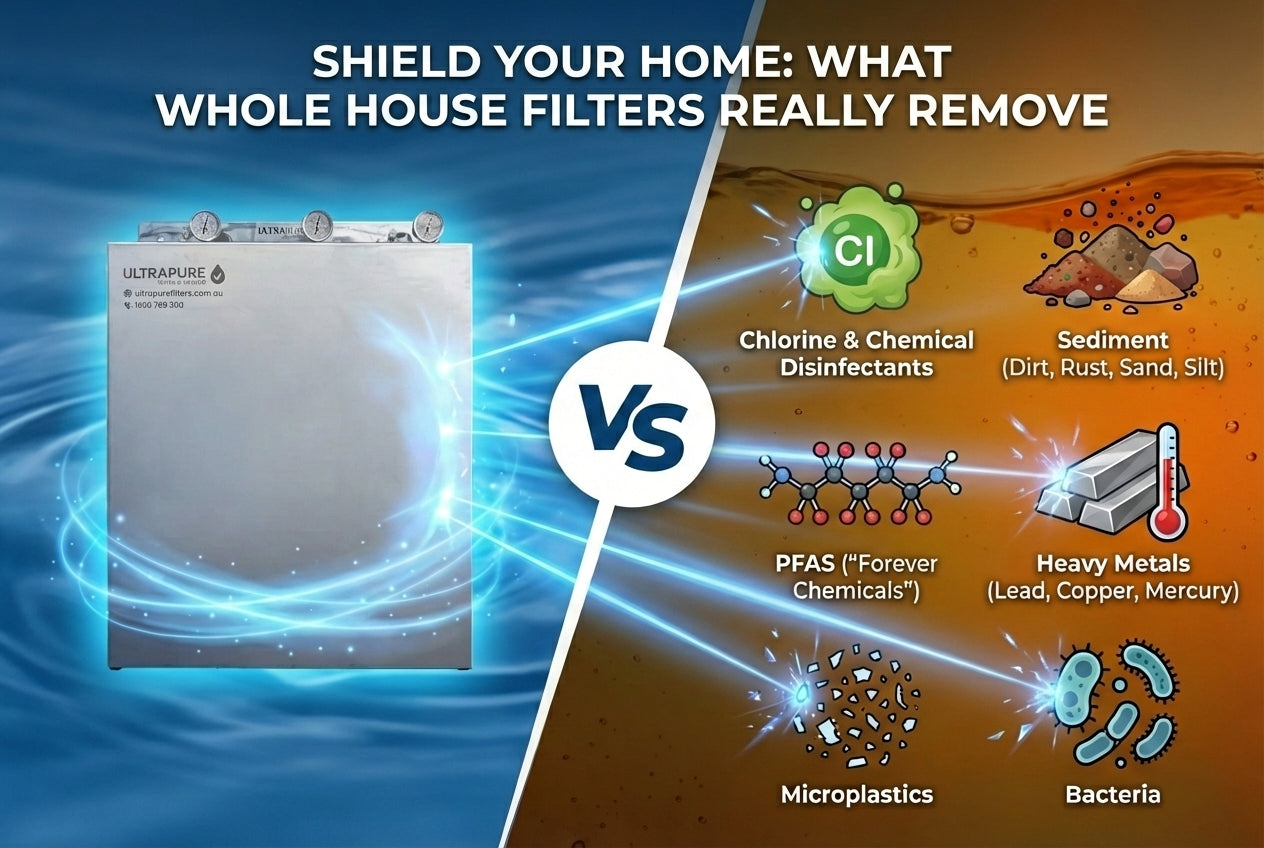
Why Ultrapure Water Matters: Common Contaminants Explained
Although water looks clean to the naked eye, it often contains contaminants that can affect your processes and products.
You mightn’t see particles, but dissolved minerals, organic compounds, bacteria, and even trace metals can silently interfere with your work or manufacturing. These impurities can cause unpredictable results, damage equipment, or reduce product quality.
When you rely on ultrapure water, you’re choosing freedom from these hidden threats https://laballiance.com.my/. Ultrapure water removes nearly all contaminants, giving you consistent, reliable performance.
Monitoring and Maintenance for Ultrapure Water Systems
Knowing what contaminants lurk in your water is only part of the battle—keeping ultrapure water consistently free from those impurities demands regular monitoring and maintenance.
You need to routinely check system performance using sensors that measure resistivity, total organic carbon, and microbial levels. These indicators alert you when water quality drops, so you can act fast.
Scheduled maintenance, like replacing filters and resins, keeps your system running smoothly and prevents contamination buildup. Don’t skip calibration of your instruments—it ensures accurate readings.
How Filtration Removes Particulates and Organic Compounds
Filtration plays a crucial role in removing particulates and organic compounds from your water, ensuring the purity required for ultrapure systems.
By trapping tiny particles and breaking down harmful organics, filtration frees your water from contaminants that could hinder performance or safety. You gain control over what flows through your system, protecting sensitive equipment and processes.
Here’s how filtration empowers your ultrapure water:
- Captures suspended solids, preventing clogging and damage.
- Removes organic molecules that cause discoloration or odors.
- Enhances overall water clarity and quality for reliable results.
- Supports your freedom to operate without contamination worries.
With effective filtration, you maintain ultrapure water that matches your high standards and liberates your work from impurities.
Ion Exchange for Removing Dissolved Salts in Ultrapure Water
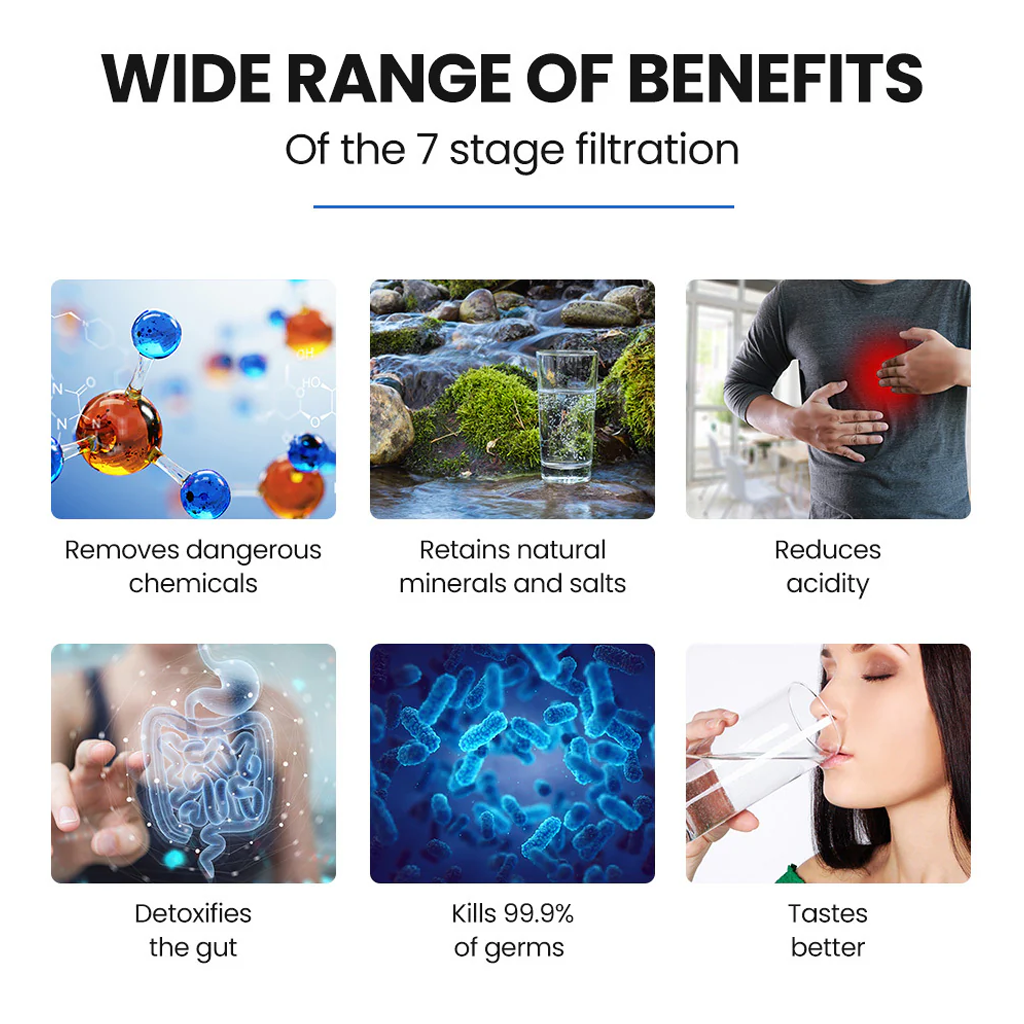
Harness ion exchange to effectively remove dissolved salts from your water, ensuring the ultra-high purity required for sensitive applications. This process swaps unwanted ions like sodium, calcium, and chloride with hydrogen or hydroxide ions, leaving you with water nearly free of dissolved solids.
By choosing ion exchange, you gain control over water quality without relying on complex chemical treatments or energy-intensive methods. You simply pass your water through resins designed to capture these salts, and the system regenerates automatically, keeping your operation smooth and hassle-free.
This method not only guarantees freedom from contaminants but also supports consistent water purity, essential for industries demanding flawless performance. Embrace ion exchange to maintain ultrapure water, empowering your workflows with reliable, salt-free results.
Sterilization Techniques in Ultrapure Water Systems
Ensure your ultrapure water stays free from microbial contamination by employing effective sterilization techniques. You want water that’s not just clean but liberating—free from harmful microbes that could compromise your processes. Here’s how you can take control:
- Ultraviolet (UV) Light: Destroys bacteria and viruses without chemicals, giving you pure freedom from contaminants.
- Heat Sterilization: Uses high temperatures to eliminate microbes, ensuring no compromises on purity.
- Membrane Filtration: Physically blocks microorganisms, letting you trust every drop.
- Chemical Sterilants: Provide a powerful last line of defense when other methods can’t reach.
Conclusion
You rely on ultrapure water systems to keep contaminants like dissolved salts, organic compounds, microbes, and particles from interfering with your processes. By understanding how filtration, ion exchange, and sterilization work together, you can ensure your water stays consistently clean and reliable. Regular monitoring and maintenance help you catch issues early, protecting your equipment and results. Trusting these systems means you’re always ready with water that meets the highest purity standards.